- The Neural Frontier
- Posts
- Anthropic expands Claude usage limits after major SpaceX deal!
Anthropic expands Claude usage limits after major SpaceX deal!
Also: The courtroom battle between Elon Musk and Sam Altman has officially kicked off, while Snap and Perplexity’s $400M deal falls through 👻.

The Neural Frontier
May 08, 2026
In partnership with

Ship Docs Your Team Is Actually Proud Of

Mintlify helps you create fast, beautiful docs that developers actually enjoy using. Write in markdown, sync with your repo, and deploy in minutes. Built-in components handle search, navigation, API references, and interactive examples out of the box, so you can focus on clear content instead of custom infrastructure.
Automatic versioning, analytics, and AI powered search make it easy to scale as your product grows. Your docs stay accurate automatically with AI-powered workflows with every pull request.
Whether you're a dev, technical writer, part of devrel, and beyond, Mintlify fits into the way you already work and helps your documentation keep pace with your product.
More Claude usage? Sign us up! 😏
Forward thinkers, hello and welcome to issue #157 of the Neural Frontier.
Today, we’re unpacking Claude’s updated usage limits, the most popular courtroom battle this week, and how the Perplexity and Snap deal fell through.
Ready or not, here we go!
In a rush? Here's your quick byte:
🤖 Anthropic expands Claude usage limits after major SpaceX deal!
⚖️ The courtroom battle between Elon Musk and Sam Altman has officially kicked off.
👻 Snap and Perplexity’s $400M deal falls through!
⚡ The Neural Frontier’s weekly spotlight: 3 AI tools making the rounds this week.
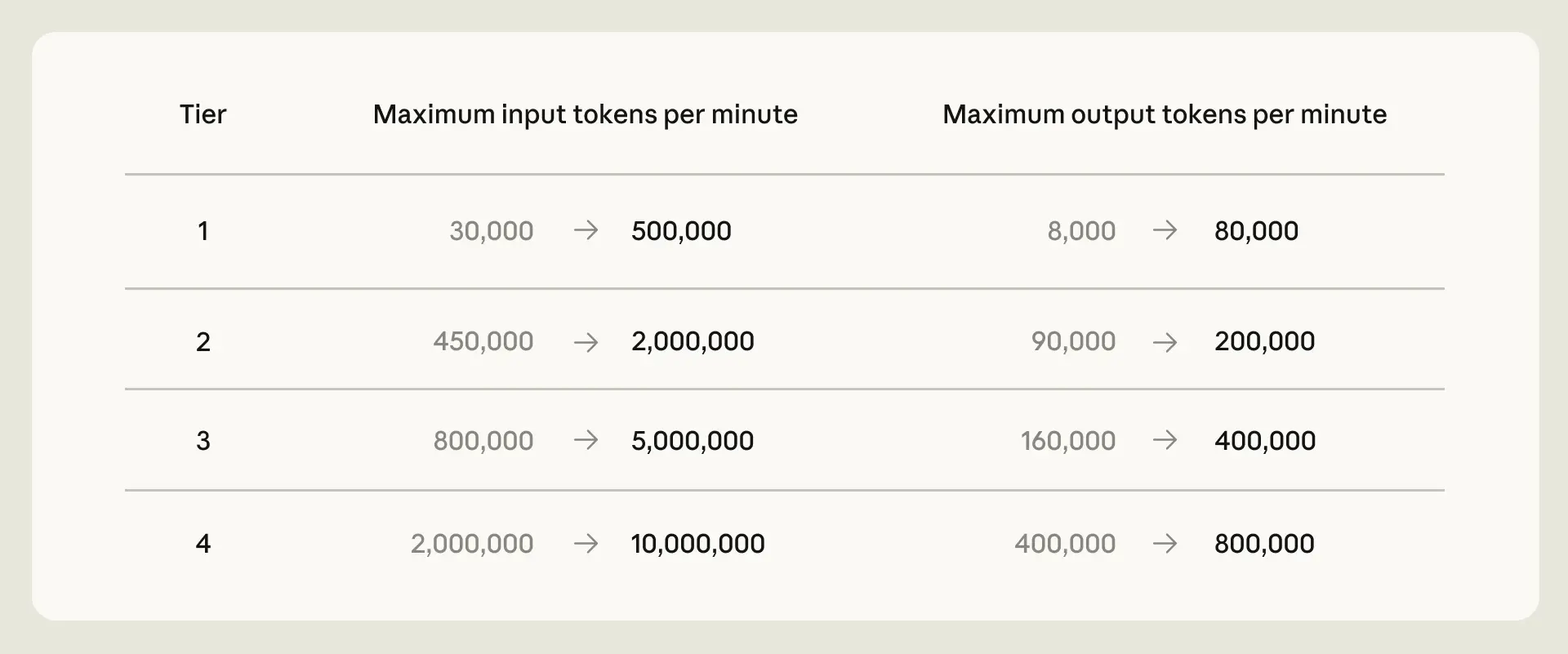
Source: Anthropic
Anthropic says Claude users are about to feel a noticeable difference, thanks to a massive new compute partnership with SpaceX.
The company announced that it will use the full capacity of SpaceX’s Colossus 1 data center, dramatically expanding the infrastructure behind Claude and its developer products.
🚀 What’s changing for Claude users
Anthropic is immediately increasing limits across Claude products:
Claude Code’s 5-hour limits are now doubled for paid plans
Peak-hour reductions for Pro and Max users are being removed
Claude Opus API limits are also being raised significantly
This means fewer bottlenecks, longer sessions, and more room for heavy workflows. It’s especially important as Claude becomes increasingly tied to agentic coding, long-running workflows, and enterprise automation.
🖥️ The SpaceX deal is huge
The partnership gives Anthropic access to 300+ megawatts of compute and over 220,000 NVIDIA GPUs, with capacity expected to come online within weeks.
That’s a massive jump, and it joins several other giant infrastructure agreements Anthropic has been stacking recently with Amazon, Google, Microsoft, and NVIDIA.
The clear theme: Frontier AI labs are now competing as much on compute access as on model quality.
🌕 And yes… orbital AI compute is now a thing
In perhaps the most Musk-adjacent part of the announcement, Anthropic also said it’s interested in working with SpaceX on: “multiple gigawatts of orbital AI compute capacity.” Meaning:
AI infrastructure in orbit
Space-based data centers
Compute powered beyond Earth-bound constraints
A sentence that would’ve sounded absurd a few years ago is now casually appearing in infrastructure announcements.
🌍 Bigger than just AI performance
Anthropic also framed this as a geopolitical and infrastructure issue. The company says future expansion will prioritize democratic countries, secure supply chains, and regional compliance requirements. It also reiterated its promise to offset electricity price increases caused by its U.S. data centers.
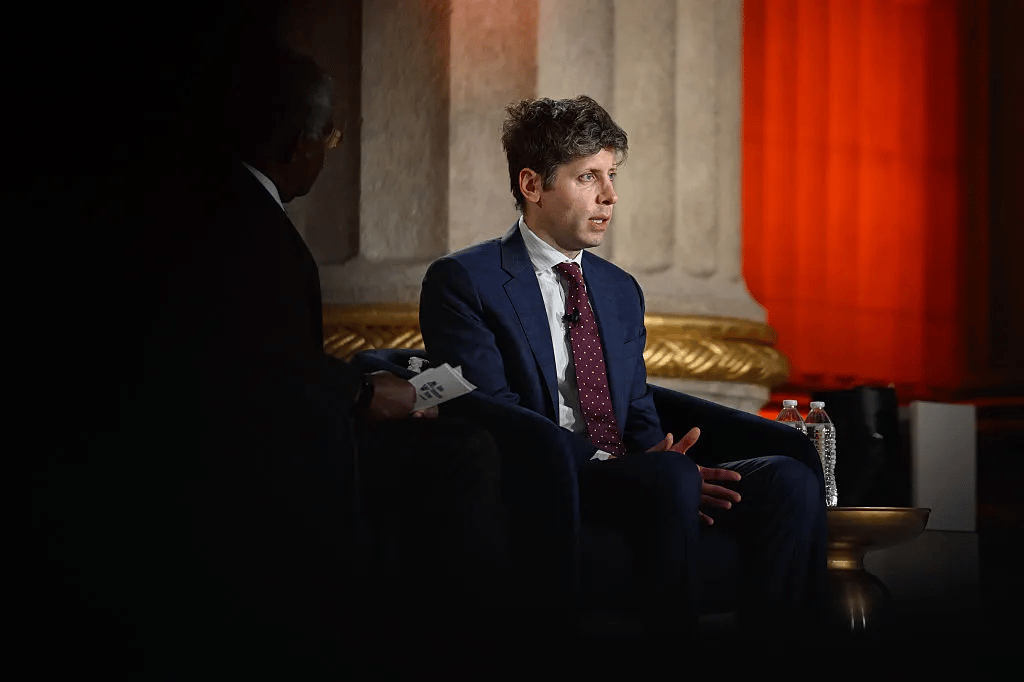
Source: Daniel Heuer / Bloomberg / Getty Images
The courtroom battle between Elon Musk and Sam Altman officially kicked off last week, and it’s quickly becoming more than just a corporate dispute.
At the center of the case is a fundamental question: Did OpenAI abandon the nonprofit mission it originally promised? Musk argues yes. OpenAI says he knew exactly where things were heading.
🧠 What the lawsuit is really about
Musk claims the money he invested into OpenAI in its early days was meant to support a nonprofit dedicated to safe AI research, not a company racing toward IPO-scale growth.
He’s seeking remedies that could undo parts of OpenAI’s restructuring, potentially remove leadership figures, and reassert nonprofit oversight over the company. OpenAI’s defense is simpler: Building frontier AI is incredibly expensive, and Musk understood that from the start.
A major issue now is timing:
Musk co-founded OpenAI in 2015
Filed suit in 2024
So the court is also examining when Musk supposedly realized OpenAI had changed direction, and whether he waited too long to act.
🎭 The trial has become an AI safety debate
One of the biggest moments reportedly came when Musk’s legal team warned: “We could all die as a result of AI.” That immediately shifted the atmosphere in the room. The judge pushed back hard, reportedly pointing out that:
Musk himself is building frontier AI through xAI
Concerns about unsafe AI could easily apply to him, too
What started as a dispute over corporate structure is increasingly turning into a debate about AI governance, AI safety, and who should be trusted to build powerful systems.
👀 Some surprising revelations have already surfaced
A few moments stood out during testimony:
Musk reportedly admitted that xAI distills OpenAI models in training workflows
Texts revealed coordination and strategizing between Musk and Mark Zuckerberg regarding OpenAI
Court observers described a surprisingly calm, composed Musk — far different from his online persona
And there’s still more to come. Expected witnesses include Greg Brockman, Ilya Sutskever, Mira Murati, and Satya Nadella.
This case could influence far more than OpenAI’s internal structure.
It touches on whether nonprofit AI governance is actually sustainable, how frontier labs balance mission vs. commercialization, and whether AI safety claims hold up once billions are involved.
And with OpenAI reportedly preparing for a future IPO, the stakes are massive.
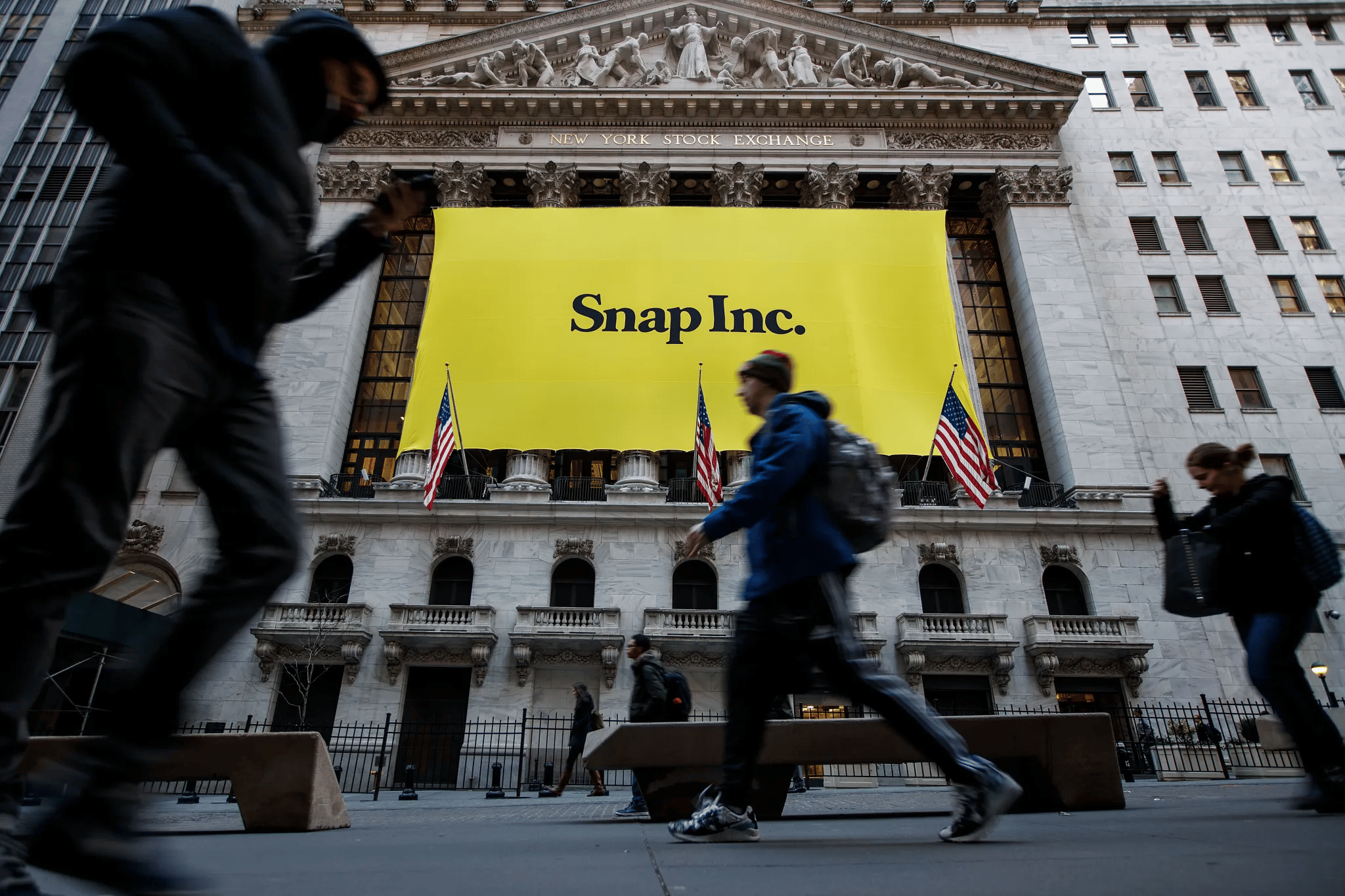
Source: Drew Angerer / Getty Image
Less than six months after announcing a massive partnership, Snap Inc. and Perplexity AI have officially pulled the plug.
The original deal, announced late last year, would have integrated Perplexity’s conversational AI search directly into Snapchat’s chat experience, with Perplexity reportedly agreeing to pay Snap $400 million in cash and equity over a one-year period.
Now? It’s over before a full rollout ever happened.
📱 What the partnership was supposed to do
The integration aimed to bring Perplexity directly into Snapchat’s “Chat” interface, allowing users to ask questions conversationally inside Snapchat, get AI-powered answers without leaving the app, and turn Snapchat into more of an AI-assisted discovery platform.
At the time, Snap framed the partnership as part of its broader vision for AI-enhanced social experiences. But despite testing with a small group of users, the companies reportedly “never mutually agreed on a path to broader rollout.”
That line alone says a lot.
🤔 Why this matters
This wasn’t just a small experimental feature. A $400M agreement between a major social platform trying to reinvent itself through AI and one of the fastest-growing AI startups in search...signaled real ambition.
Its collapse highlights something increasingly common in the AI space right now:
Everyone wants AI integration, but very few companies have figured out what genuinely useful consumer AI experiences actually look like.
Especially inside social apps.
🧩 The bigger picture for both companies
For Snap:
The company says revenue guidance no longer includes any Perplexity contribution
It’s continuing to push aggressively into AR and AI-powered “Specs” eyewear
Snap also recently laid off roughly 16% of its workforce, partially citing AI-driven operational changes
Yet Snapchat itself is still growing:
DAUs rose 5% YoY to 483M
MAUs climbed to 965M globally
For Perplexity:
It loses a potentially massive distribution channel
But it’s still expanding aggressively across enterprise AI, browsers, agents, and “Computer” products
Interestingly, the collapse also comes as Perplexity increasingly positions itself less like an AI feature inside other apps, and more like the operating layer for AI workflows itself.
That strategic shift may have made a Snapchat integration less compelling over time.
⚡ The Neural Frontier’s weekly spotlight: 3 AI tools making the rounds this week.
1. 🛠️ Replit is an AI-powered development platform that turns plain-language prompts into fully deployed, full-stack apps — with built-in authentication, databases, hosting, and team collaboration.
2. 🧠 Kanwas is a collaborative AI workspace that builds and compounds your team's product context over time — so every decision, doc, and insight makes the next one sharper.
3. 📊 Columns AI is an end-to-end data platform that cleans messy files, automates data pipelines in plain language, and turns everything into branded visual dashboards — no spreadsheet expertise needed.
Wrapping up…
There’s always a bit of drama in the AI space, isn’t there? Between groundbreaking product updates, monumental partnerships (even the ones that fail), and, of course, lawsuits, there’s something for everyone.
And this week was a perfect example of that. What will next week bring? Only one way to find out.
We’ll catch you on the flip side, same time, same place 👋!
PS: If you’re the “friend” this mail was forwarded to, and you enjoyed it, hit the Subscribe button to see more content like this every week 🙂.